




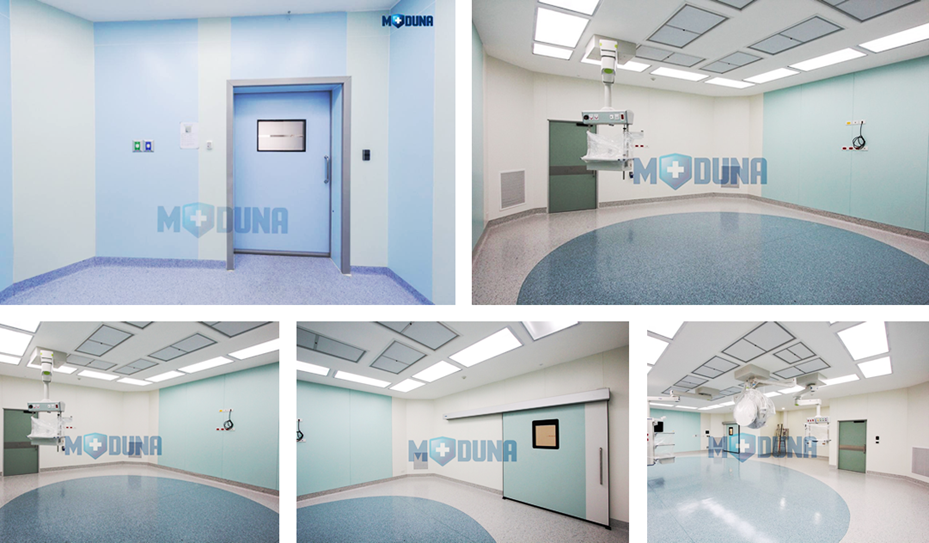
Compact Laminate is a highly durable and impact-resistant material that exhibits excellent resistance to acids, alkalis, and various chemicals. In addition to outstanding scratch resistance and water resistance, it does not support mold growth or allow the accumulation of bacteria on the surface. The material can inhibit bacterial growth by up to 99 % and reduce the accumulation of various pathogens that can lead to infectious diseases, making it particularly suitable for applications where hygiene is critical.
This material is suitable for wall cladding, tabletops, cabinets, and built-in furniture in environments such as hospital patient rooms, common areas, doctor’s offices, examination rooms, and other spaces where a specialized surface material capable of inhibiting the growth of bacteria, viruses, mold, and pathogens is required.
Key Properties of Compact Laminate materials (general):
- Compact laminate generally consists of multiple layers of phenolic resin-impregnated paper and melamine resin-impregnated decorative paper that are consolidated under high pressure and heat to form a solid, non-porous panel with strong mechanical and chemical resistance.
- The panels are moisture-resistant, scratch-resistant, and easy to clean, making them ideal for use in environments where hygiene, durability, and chemical resistance are essential.
Typical applications of compact laminate panels include:
- Wall and ceiling linings in healthcare, laboratory, and clean-environment facilities
- Built-in furniture, countertops, cabinets, and fixtures in medical and public spaces
Areas requiring materials that resist impact, moisture, and microbial growth
